Social History
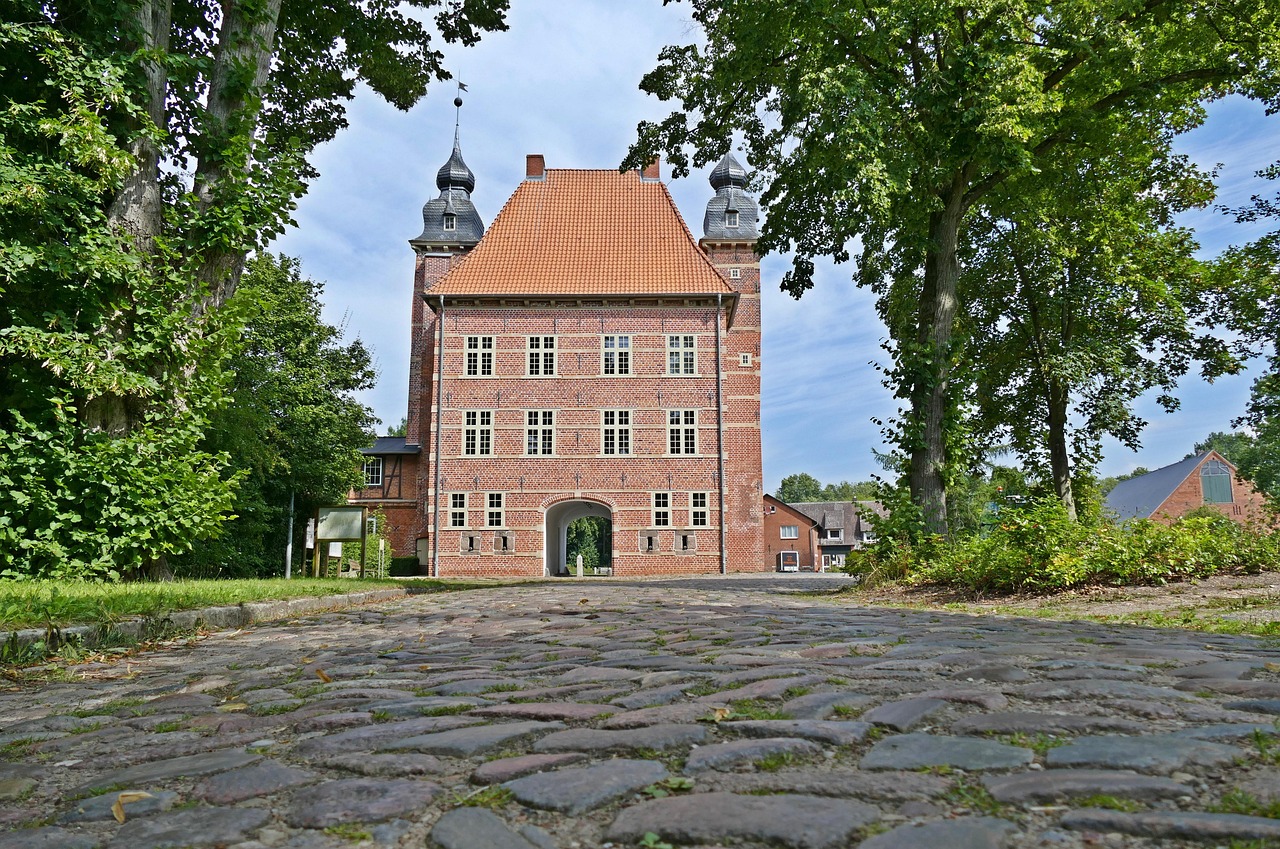
Gatehouses are among the most dateable buildings in the historic landscape, because their whole purpose was display. A lodge that was meant to impress visitors was built in the fashionable style of its day, and those fashions changed on a fairly reliable schedule. With a little practice, you can stand in front of an unfamiliar gatehouse and make a confident guess at its century before you check any records.
This is not about turning every walk into an exam. It is about noticing. The pleasure of local history is in the details, and gatehouses are unusually rich in them — they were small buildings with big ambitions, and their builders packed them with signals.
The first thing to look at is the arch itself. Medieval and Tudor gatehouses tend to have pointed or four-centred arches, often with deep mouldings and a hood mould above. Georgian and Victorian lodges usually have round or elliptical arches, sometimes with a keystone. A flat lintel over the opening is a strong hint of the eighteenth century or later, when the gatehouse had become more ornamental than defensive.
Second, look at the windows. Small, leaded, square-headed windows set high in the wall suggest an early date, when the upper floor of a gatehouse was a guardroom. Tall sash windows, especially in pairs, point to the Georgian period. Gothic-revival lodges of the nineteenth century often have pointed windows with tracery, deliberately echoing medieval forms — a romantic gesture rather than a genuine survival.
Third, examine the battlements. Real medieval crenellations are functional, with gaps wide enough for a bow or crossbow. Victorian battlements are often decorative, shallow, and sometimes comically small. If the merlons look like they could not shelter anyone, they are probably nineteenth-century dressing.
Fourth, check the stone. Coursed rubble with wide mortar joints is typical of earlier work; finely cut ashlar blocks with tight joints suggest a later, more expensive build. Brick gatehouses appear from the Tudor period onward, and their bond — the pattern in which bricks are laid — can narrow the date further. English bond is generally earlier, Flemish bond later.
Fifth, look for the family arms. A carved shield above the arch is common on gatehouses of all periods, but its style helps. Medieval heraldry is simple and bold; later carving is more detailed and often accompanied by a date stone or initials. A date stone is a gift, but treat it with caution — some are later additions, and some record a remodelling rather than the original build.
No single feature is decisive. A gatehouse with a four-centred arch, small high windows, and deep battlements is likely Tudor or a very convincing Tudor revival. One with a round arch, sash windows, and shallow battlements is probably Georgian with later romantic additions — a common combination, since many lodges were updated as tastes changed.
The real value of this kind of reading is that it turns a passive glance into an active question. Why does this gatehouse look the way it does? Who was it trying to impress, and when? The answers are usually in the stone, waiting to be noticed.
